
Ledger.com/start® – Secure Your Ledger™ Wallet
Use Ledger.com/start to start your Ledger setup and explore convenient ways to manage supported digital assets, monitor balances, and review wallet activity.
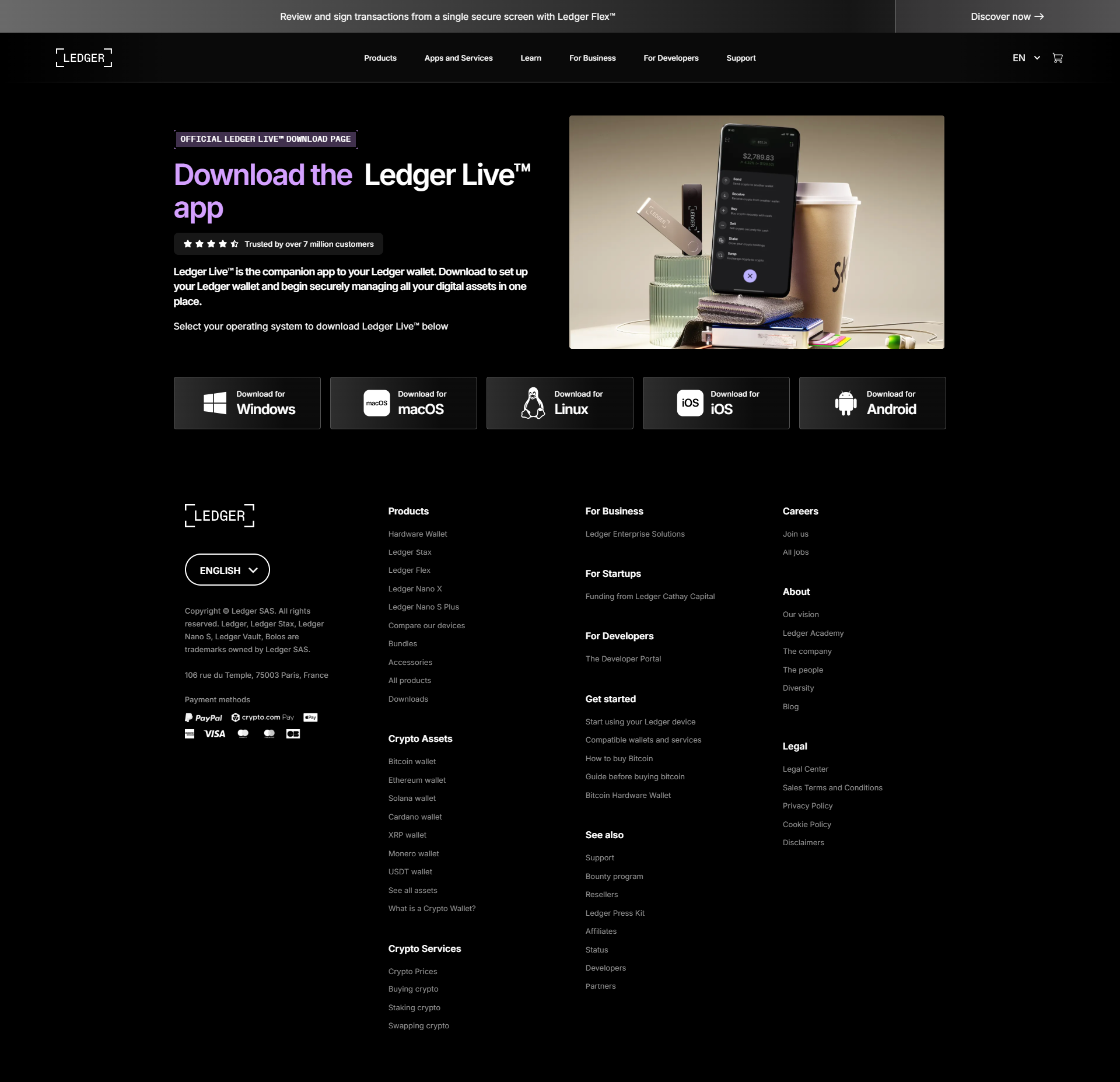
Ledger.com/start: Easy Steps for Wallet Security
Starting with a hardware wallet does not have to be complicated. Ledger.com/start provides a starting point for configuring a Ledger device and preparing it for cryptocurrency management. By following the official setup process carefully, users can learn how their device works and establish important security practices from the beginning.
Begin Your Ledger Setup
The first step is to use the official Ledger setup instructions that match your hardware-wallet model. Install the required companion software, connect the device, and follow the instructions presented during configuration.
Avoid downloading wallet software from unfamiliar websites. Fake applications can look convincing, so checking the source before installing anything is an important part of a secure setup.
Protect Your Recovery Backup
Setting up a recovery backup is one of the most important parts of creating a hardware wallet. This information can help restore access to your wallet if the physical device is lost, damaged, or replaced.
Treat your recovery words as private information. Write them down carefully and store the backup in a secure offline location. Do not save it as a photograph, document, email, cloud file, or phone note.
Never give your recovery words to anyone claiming to be support. A request for your complete recovery information should be treated as a serious warning sign.
Connect With Wallet Software
After configuring the device, compatible Ledger software can provide an interface for managing supported cryptocurrency accounts. Depending on the available features, users may check balances, receive assets, send cryptocurrency, and monitor their holdings.
The hardware device remains important when authorizing transactions. Before confirming a transfer, compare the recipient address and transaction information shown on the physical device with what you intended to send.
Build Better Security Habits
A secure wallet experience depends on both technology and user awareness. Keep your device software maintained according to official guidance, and avoid clicking unexpected wallet-related links.
Be especially careful with websites that imitate legitimate Ledger services. Phishing pages may ask for recovery information, passwords, or other sensitive details.
Taking a few moments to verify the source of software and the details of every transaction can prevent avoidable mistakes.
Conclusion
Ledger.com/start offers a useful starting point for configuring a Ledger hardware wallet. A careful setup, secure recovery backup, trusted software, and thorough transaction verification can help users create a more organized approach to managing cryptocurrency. Good wallet security begins during setup and should continue with every transaction that follows.
Updated about 1 hour ago