
Ledger.com/Start® | Getting started — Ledger Support
Get started at Ledger.com/start with a guided Ledger wallet setup and practical tools for crypto management, asset transfers, balance checks, and more.
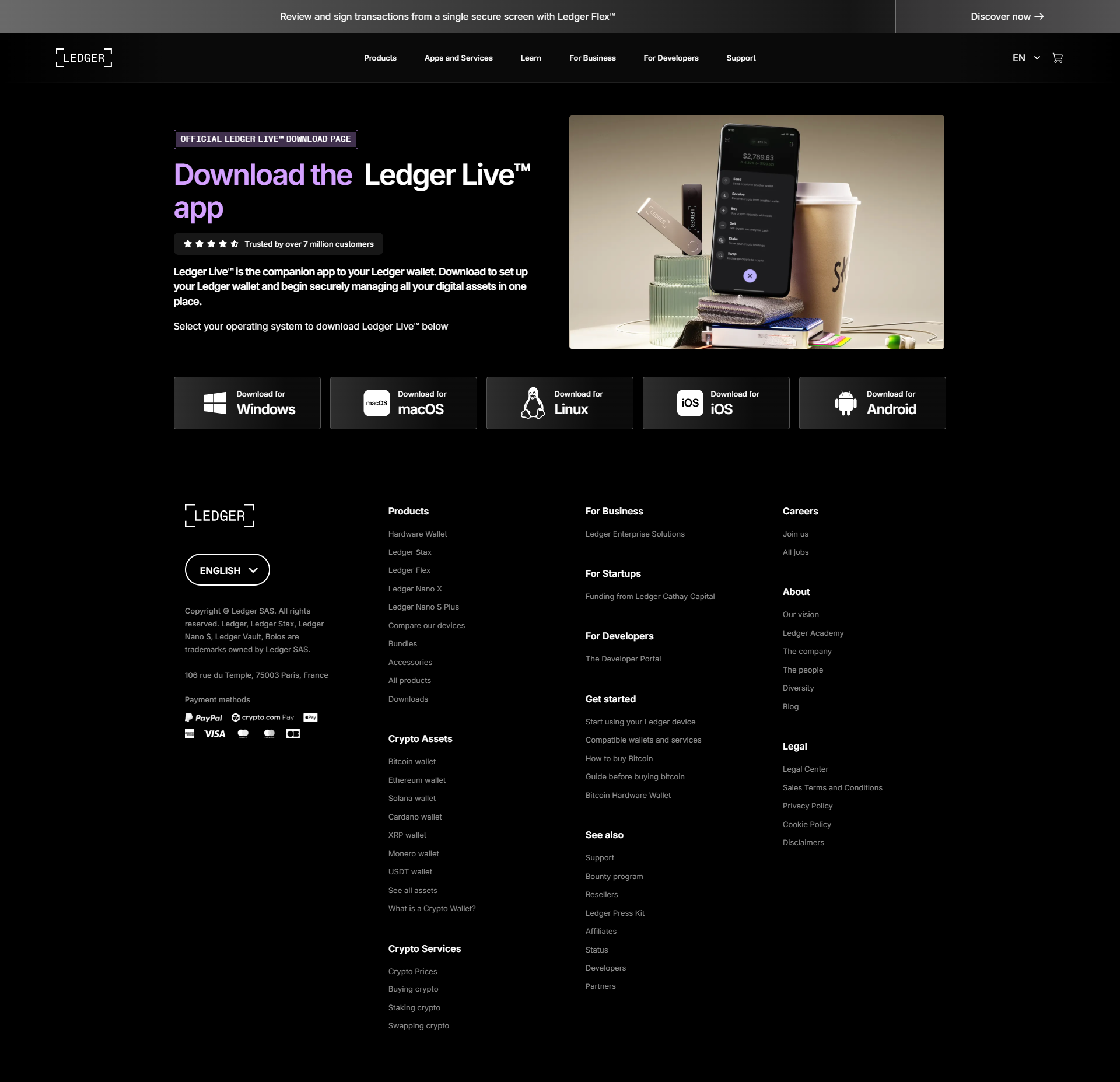
Ledger.com/start: A Better Start for Crypto Users
Choosing a hardware wallet is only the beginning of responsible cryptocurrency management. The setup process is equally important because it establishes how the device will be used and how its recovery information will be protected. Ledger.com/start provides a starting point for configuring a Ledger hardware wallet and preparing it for compatible wallet software.
A careful setup can help new users understand the basic functions of their device before they begin sending or receiving digital assets.
Begin With Official Instructions
Start by using the official Ledger setup guidance for your specific hardware-wallet model. Install the required software, connect the device, and follow the instructions displayed during the configuration process.
Avoid using unofficial installers or setup links from unknown websites. Cryptocurrency scams can imitate legitimate wallet services, making it important to verify the source before downloading software or entering information.
Set Up Your Recovery Information
Recovery information is a critical part of a hardware-wallet setup. It provides a way to restore access to the associated wallet if the physical device becomes unavailable.
Keep this information private and store it securely offline. Do not take photographs of your recovery words or save them in cloud storage, email, messaging apps, or online documents.
Most importantly, never give your recovery information to another person. Someone asking for your complete recovery words should be treated with caution, regardless of how legitimate the request appears.
Manage Supported Cryptocurrency
After the device has been configured, compatible Ledger software can provide tools for managing supported digital assets. Users may be able to view account balances, receive cryptocurrency, send transactions, and monitor their holdings depending on the available services.
When preparing a transfer, carefully compare the recipient address and transaction details with your intended payment. Confirm the information on the hardware device before approving the transaction.
Keep Your Setup Secure
Wallet security does not end after installation. Keep the device and its compatible software maintained according to official guidance. Be cautious with unexpected emails, messages, advertisements, and websites that request wallet information.
If something appears unusual, stop and verify the information through an official Ledger source rather than following instructions from an unknown contact.
Conclusion
Ledger.com/start provides a practical starting point for configuring a Ledger hardware wallet. Completing the setup carefully, protecting recovery information, using trusted software, and checking transaction details before approval can help users develop a safer and more organized approach to cryptocurrency management.
Updated about 1 hour ago